There is a persistent assumption embedded in the political imagination of Eastern and Central Europe (ECE): that ocean governance is someone else’s business. The sea, after all, belongs to the coastal states — to the maritime powers with fleets, ports, and centuries of nautical memory. Hungary, Slovakia, Czechia, Austria, Serbia — these are river countries, landlocked countries, countries whose horizons end at hills and plains, not at tides. And yet, on 17 January 2026, when the Agreement on Biodiversity Beyond National Jurisdiction (BBNJ) — the most consequential reform of international maritime law in thirty years — entered into force, it did so as a treaty that legally binds and politically challenges every state on earth, landlocked or otherwise. The question ECE citizens, and especially ECE youth, must now ask is not whether this moment concerns them. It does. The question is whether they will arrive at the table informed, organised, and ready to shape what comes next.
A river that reaches the world
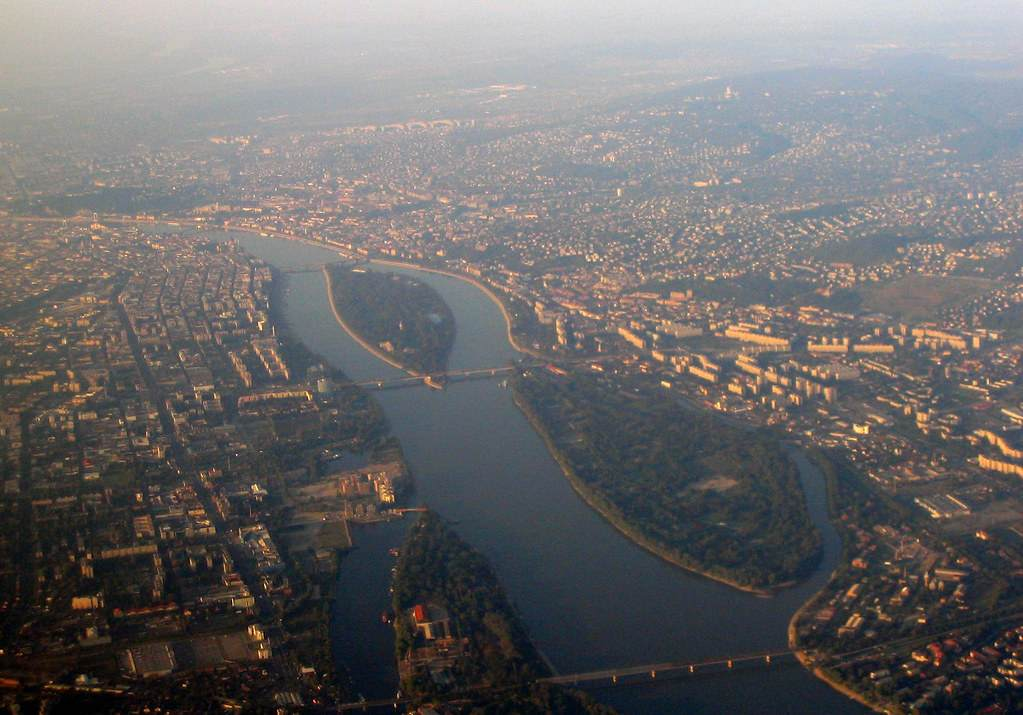
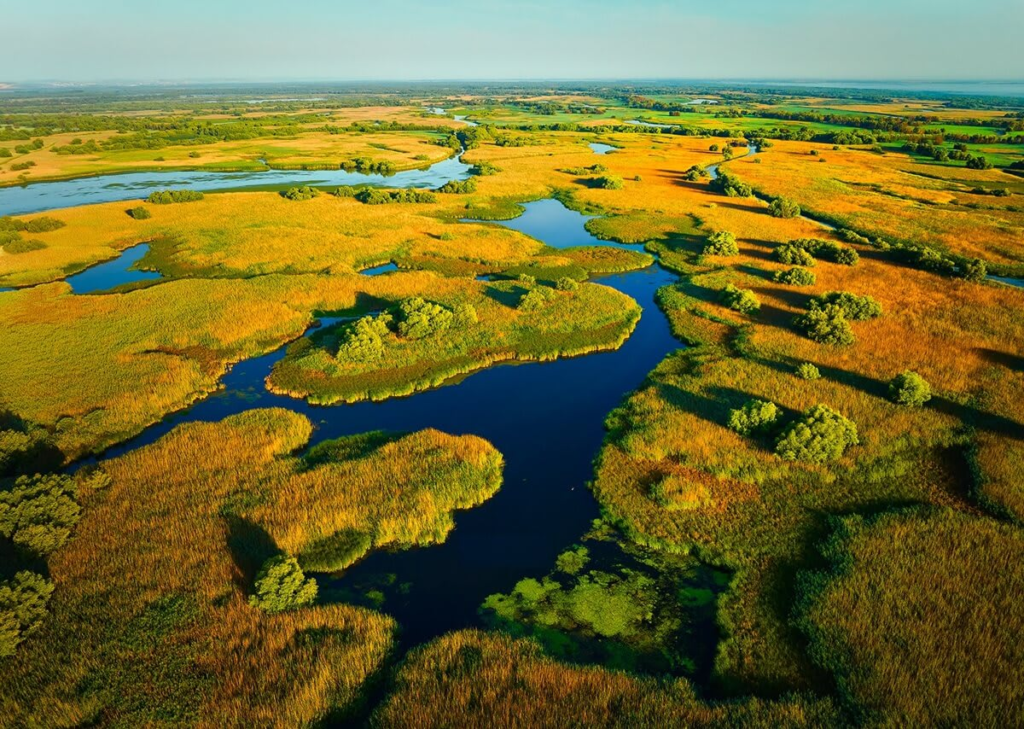
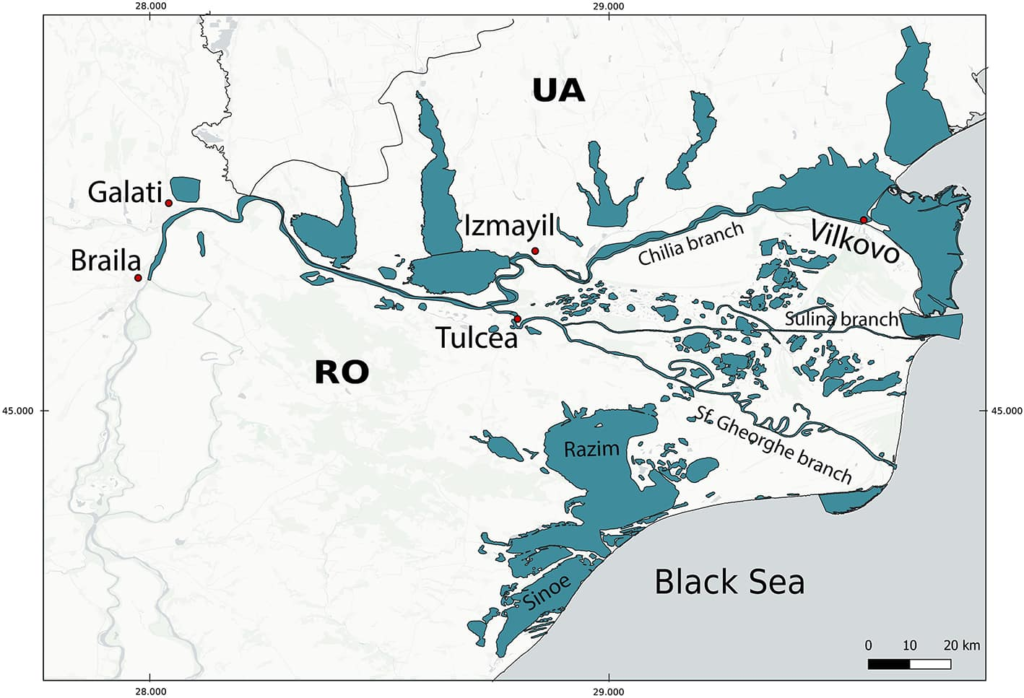
The Danube is not merely a national symbol or a tourist attraction. It is, in the most literal hydrological sense, Central Europe’s connection to the global ocean. Rising in the Black Forest of Germany, the river flows 2,860 kilometres eastward through or alongside ten countries before emptying into the Black Sea — carrying with it the accumulated nutrients, sediments, pollutants, and biodiversity signals of an entire continent. What enters the Danube in Bratislava or Budapest does not stay there. Microplastics measured in the Austrian stretch of the river, phosphorus runoff from Hungarian agriculture, and industrial effluents from industrial zones along the lower basin all converge at the Delta and disperse into open waters that are, under the BBNJ framework, now subject to new international legal protections. The river is not separate from the ocean governance debate. It is the physical infrastructure through which ECE countries are already participants in it.
This hydrological reality has grown sharper in recent years. The war in Ukraine brought the Danube’s geopolitical weight into stark relief. When Russia’s full-scale invasion severed Ukraine’s major Black Sea ports, Ukrainian grain and cargo rerouted through Danube river ports, nearly tripling shipping traffic on the Chilia Branch. The ecological consequences were immediate: noise pollution accelerating the decline of critically endangered sturgeon, debris accumulation on protected beaches, and the indirect effects of the June 2023 destruction of the Kakhovka Dam, which released over fourteen billion cubic metres of freshwater into the Black Sea, triggering cascading impacts on salinity, sediment transport, and aquatic biodiversity. What was once an environmental management challenge became, overnight, an environmental crisis with geopolitical dimensions — and ECE countries found themselves not bystanders, but adjacently affected parties with direct stakes in the outcome.
The BBNJ Agreement: What it means for a landlocked region?
The BBNJ Agreement — formally, the Agreement on Marine Biological Diversity of Areas Beyond National Jurisdiction — represents the first legally binding instrument to govern the high seas: approximately 64% of the ocean’s surface, previously regulated only by patchwork conventions and voluntary measures. Its three operational pillars are, in sequence, the establishment of Marine Protected Areas in international waters, mandatory Environmental Impact Assessments for activities in the high seas, and an equitable benefit-sharing mechanism for marine genetic resources — ensuring that the biotechnological wealth of the ocean does not accrue exclusively to the states and corporations with the capacity to extract it.
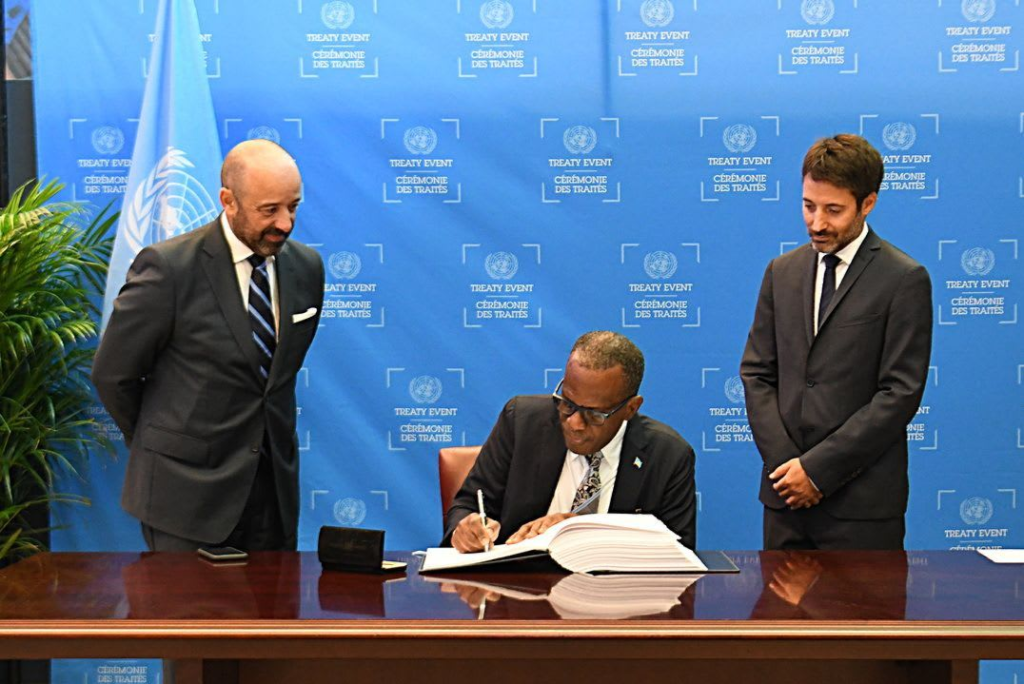
For ECE countries, the third pillar is perhaps the most underappreciated. Universities in Prague, Budapest, and Warsaw conduct marine and molecular biology research. Their scientists publish findings on deep-sea ecosystems and contribute to global biodiversity databases. Under the BBNJ’s access and benefit-sharing framework — aligned with the COP16 Cali Fund — ECE research institutions stand to both contribute to and benefit from an international system of marine genetic resource governance. This is not an abstract entitlement. It is a practical opportunity that requires institutional engagement, domestic ratification, and active participation in the Conference of the Parties. As of April 2026, Austria has ratified the Agreement, contributing to the current total of 88 Parties. The remaining ECE states — Hungary, Czechia, Slovakia, and others — have yet to deposit their instruments. Their absence from the ratified Party list means their voices are not yet formally seated when COP1 convenes.
COP1 is coming—and ECE is not yet ready
PrepCom 3, the third preparatory session of the BBNJ Preparatory Commission, concluded in New York on 2 April 2026, finalising recommendations and draft elements for consideration at the first Conference of the Parties. COP1 is now formally scheduled for January 11 to 22, 2027. The agenda will be formative: it will determine the rules of procedure, establish the institutional architecture of marine protected areas, and shape the benefit-sharing modalities that will govern ocean access for decades. Decisions made at COP1 will set precedents that are extraordinarily difficult to revise.
And yet, if ECE member states have not ratified, they will observe. They will not vote. They will not propose amendments. They will watch, as they have watched too many times before, as the architecture of global governance is constructed without their active input — only to be handed the implementation bill afterwards. The European Commission has proposed a directive to integrate the BBNJ Agreement into EU law, which creates a pathway for harmonised ratification across member states. That pathway must be accelerated, and civil society — including youth organisations, academic networks, and platforms like United Citizens of Europe — has an essential role to play in applying the political pressure to make that happen.
From restoration to representation: The policy imperative
The European Union is not absent from this conversation. The EU co-leads the High Ambition Coalition for nature and people and has committed €40 million through the Global Ocean Programme to support developing countries in implementing the treaty. The EU Strategy for the Danube Region, which brings together 14 countries in a framework explicitly linking the Danube basin to Black Sea ecological health, contains specific nature restoration commitments directly relevant to the BBNJ’s freshwater-to-ocean connectivity logic. The DANUBE4all research project, EU-funded and currently active, is developing science-based restoration pathways for the entire Danube basin, from mountain source to coastal delta. Horizon Europe’s Mission Ocean has even designated the Danube River Basin — including the Black Sea — as one of four lighthouse basins for integrated restoration and pollution elimination work.
The architecture, in other words, exists. What is missing is the political salience at the national and sub-national levels within ECE to mobilise it. Governments in the region tend to frame ocean governance as a peripheral concern, subordinate to energy security, economic competitiveness, and immediate neighbourhood policy. This framing is not only analytically inaccurate — given the Danube’s direct ecological linkage to the Black Sea and, through it, to the global ocean system — it is strategically self-defeating. As the EU’s European Ocean Pact moves forward and as COP1 approaches, the states that have not engaged will find themselves implementing rules they did not write and absorbing costs they did not price.
The youth dimension: A seat at the table, not just a voice in the room
There is a distinction, important and often left out, between being heard and having influence. Youth voices have become a fixture of international environmental negotiations — side events, youth delegate programmes, ministerial dialogues. These are not without value. But influence requires institutional access: the capacity to shape negotiating positions before they leave national capitals, to review draft texts before they reach formal sessions, to embed long-term interests into the mandates of delegations that will sit at COP1 in January 2027. In ECE countries, this institutional access remains underdeveloped. Youth advisory mechanisms on ocean governance are virtually non-existent at the national level in landlocked states, where the issue simply does not register on the domestic political radar.
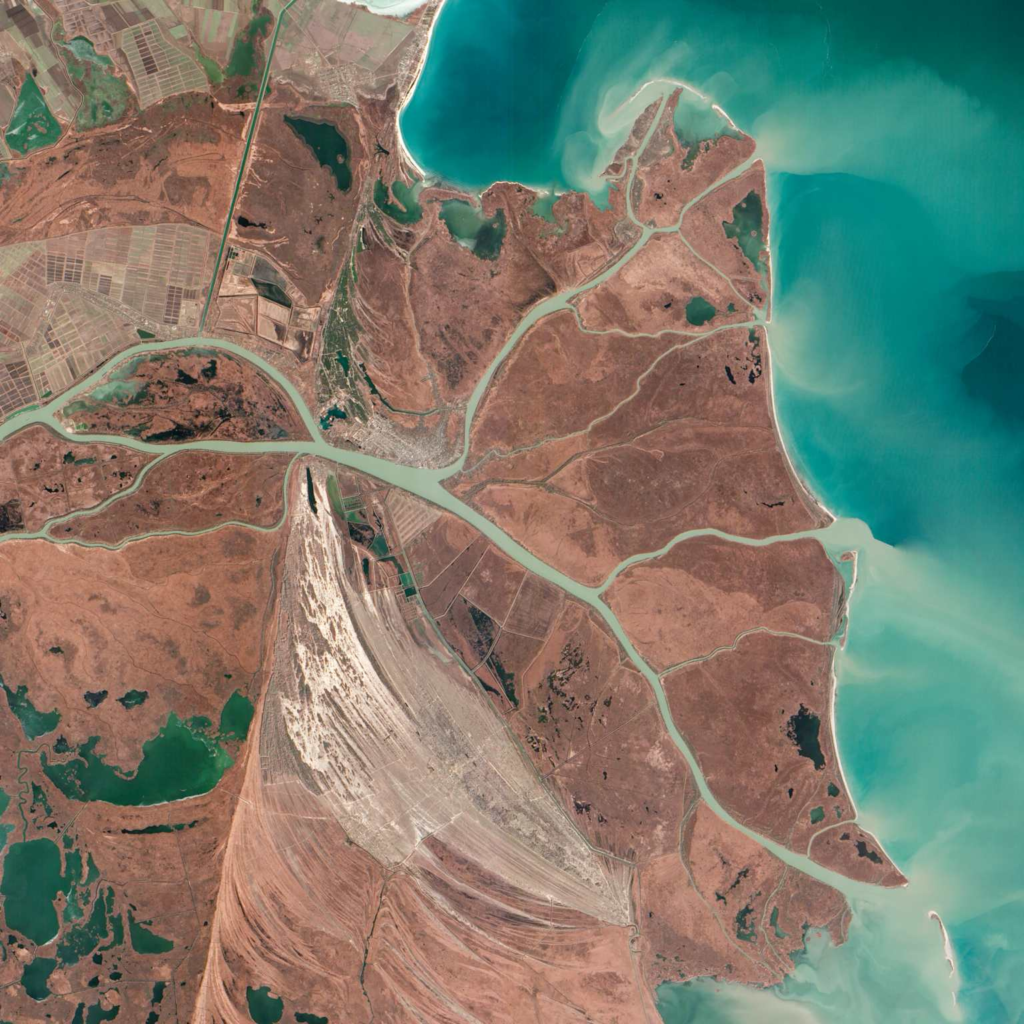
The mandate for an European, and for the youth networks operating within this region, is therefore concrete: to advocate for expedited national ratification of the BBNJ Agreement by ECE member states, to push for the inclusion of youth representatives in national BBNJ delegations, and to connect the visible, local reality of the Danube — the river people swim in, fish in, and draw their water from — to the abstract but consequential processes unfolding in New York conference rooms. The Danube does not stop at the Iron Gate. It does not stop at the Delta. It flows into a sea that flows into an ocean that the entire world, including every citizen of Central Europe, has a right and a responsibility to govern.
The ocean is not elsewhere. It begins at the river’s edge. And the governance of that ocean begins, right now, with whether we choose to show up.